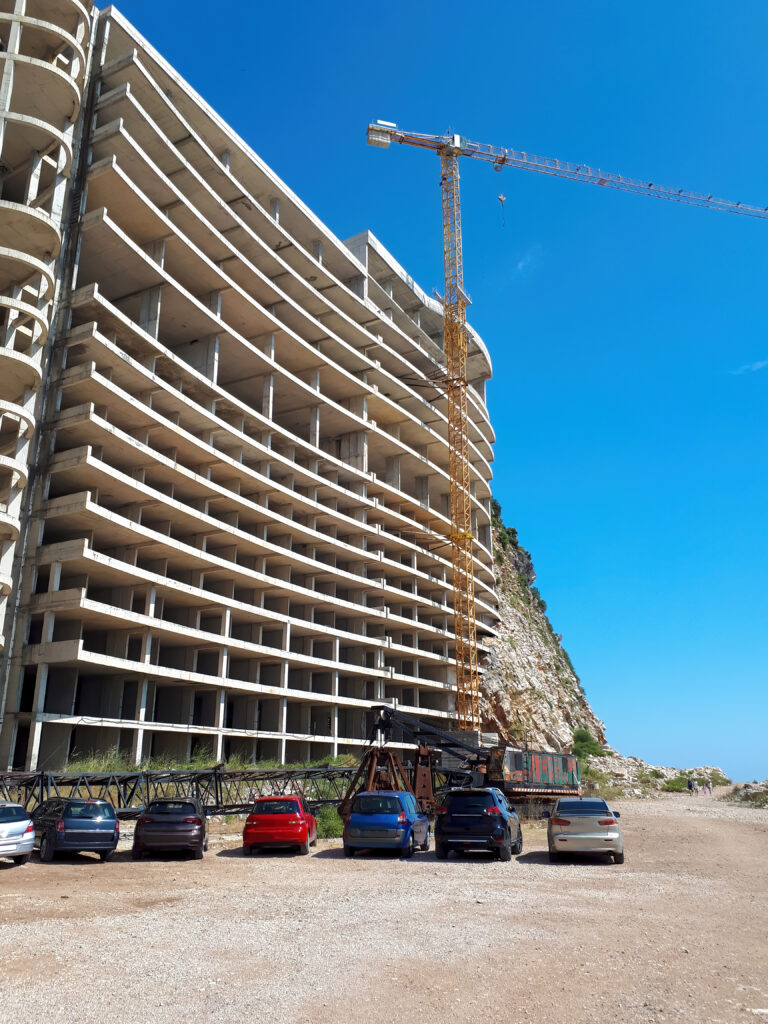
The construction process involves several stages, from initial architectural design to obtaining municipality approvals and proceeding with construction.
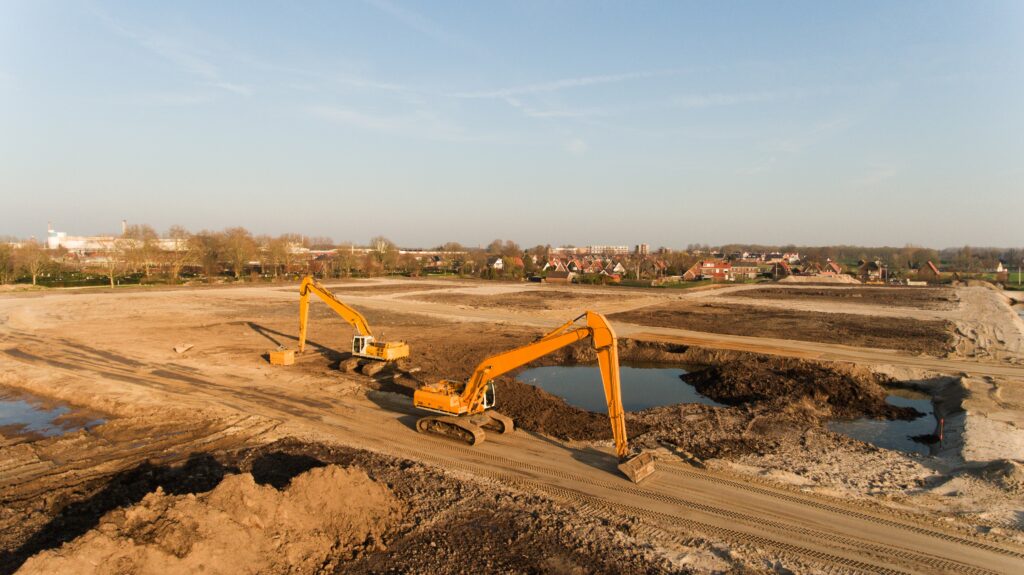
1. Architectural Design:
- Conceptualization: The process begins with the conceptualization of the building, considering the client’s requirements, functionality, and aesthetic preferences.
- Schematic Design: Architects create preliminary sketches and plans to visualize the overall design and spatial layout of the building.
- Design Development: Refining the initial sketches into more detailed designs, including floor plans, elevations, and sometimes 3D models.
2. Civil Engineering & Technical Drawings:
- Structural Designing: Collaborating with structural engineers to design the building’s structural elements, ensuring stability and compliance with safety standards.
- Mechanical, Electrical, and Plumbing (MEP) Systems: Coordination with engineers to integrate systems such as heating, ventilation, air conditioning (HVAC), electrical, and plumbing into the overall design.
- Detailed Technical Drawings: Creation of detailed technical drawings, including floor plans, sections, elevations, and specifications necessary for construction.
3. Municipality Approval:
- Submission of Documents: Architects submit the detailed technical drawings, along with other required documents, to the municipality for review and approval.
- Compliance Checks: Municipality authorities review the plans to ensure compliance with zoning regulations, building codes, and other local requirements.
- Approval Process: Once all requirements are met, the municipality grants approval, typically in the form of permits and licenses.
4. Procurement and Construction:
- Bidding and Procurement: The project moves to the procurement phase, where contractors bid for the construction work. The client selects a contractor based on various criteria.
- Construction Management: Construction begins under the supervision of a project manager or construction manager. The project is executed according to the approved plans and specifications.
- Quality Control – supervision : Regular inspections are conducted to ensure that construction adheres to the approved designs and meets quality standards.
- Progress Reporting: Regular updates and progress reports are shared with the client, keeping them informed about the construction timeline and any potential issues.
5. Project Completion:
- Final Inspections: Municipal authorities conduct final inspections to ensure that the construction complies with approved plans and meets safety standards.
- Occupancy Permit: Upon successful inspections, the municipality issues an occupancy permit, allowing the building to be used for its intended purpose.
- Project Handover: The construction project is officially handed over to the client.
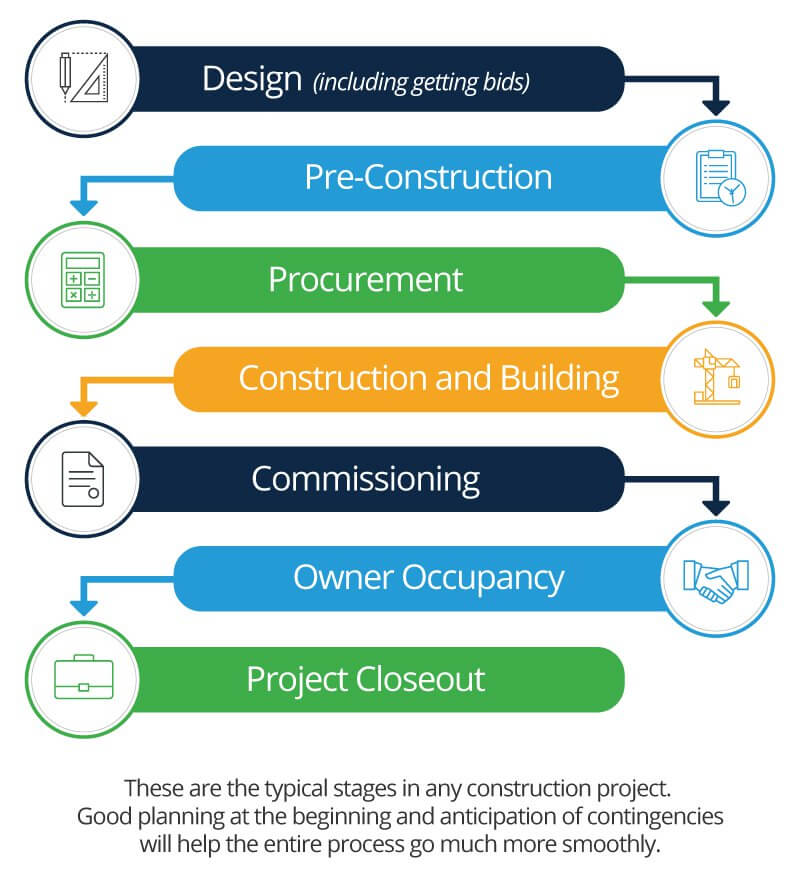
Throughout these stages, effective communication and collaboration among architects, engineers, contractors, and municipal authorities are crucial to ensure a successful and compliant construction process. Each step contributes to the creation of a functional, safe, and aesthetically pleasing structure.