

Refinery raw materials refer to the unprocessed substances that are utilized in oil refineries to produce various refined petroleum products. These raw materials typically include crude oil, which is the primary feedstock for refineries. Crude oil is a complex mixture of hydrocarbons, and the refining process separates and transforms these components into valuable products.

Common refinery raw materials include:
1. Crude Oil: The main raw material, crude oil is a mixture of hydrocarbons that requires refining to produce useful products.
2. Natural Gas: Some refineries use natural gas for specific processes or as a source of hydrogen.
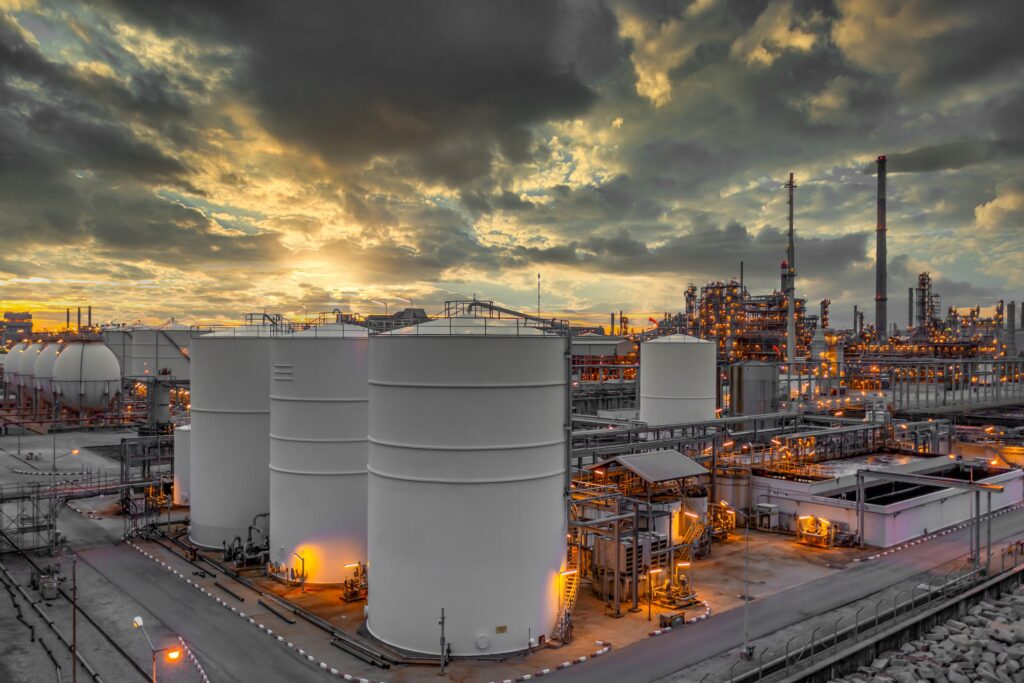
Refinery raw materials are used in various refining processes to produce a wide range of refined products, including:
- Gasoline: A fuel for automobiles, gasoline is one of the primary products derived from the refining process.
- Diesel Fuel: Used for powering diesel engines in vehicles and industrial equipment.
- Jet Fuel: Specifically designed for use in aviation.
- Lubricating Oils: Used to reduce friction between moving parts in machinery.
- Bitumen: A thick, sticky form of petroleum used in road construction and roofing.
- Petrochemicals: Various chemicals derived from refining processes, which are used in the production of plastics, synthetic materials, and other industrial products.
- Liquefied Petroleum Gas (LPG): Used for heating, cooking, and as fuel for vehicles.
- Naphtha: Used as a feedstock for the production of petrochemicals and as a solvent.
- Oxygen Gas: Oxygen is a vital gas used in various industrial processes, medical applications, and as a component in combustion processes.
- Ethon: It seems there might be a spelling error, and you might be referring to “Ethane.” Ethane is a hydrocarbon gas often used as a fuel and as a feedstock in the petrochemical industry.
- Argon: Argon is an inert gas that is commonly used in welding and other industrial processes where an inert atmosphere is required.
- Helium: Helium is an inert gas known for its low density. It is often used in various applications, including cooling in scientific research, as a lifting gas, and in medical imaging.
- Other Inert Gases: Inert gases, such as nitrogen, neon, krypton, and xenon, are used in various industrial applications where a non-reactive atmosphere is necessary.
- Liquid Fuel Oil: Liquid fuel oil is a refined product derived from crude oil. It is used as fuel for heating and in certain industrial processes.
- Mineral Oils: Mineral oils are liquid by-products of the refining process and find applications in various industries, including lubricants, in cosmetics, and in pharmaceuticals.
- Asphalt: Asphalt is a sticky, black, and highly viscous liquid or semi-solid form of petroleum. It is used primarily in road construction.
- Pitch: Pitch is a thick, black, or dark brown substance derived from distillation of coal or wood tar. It has various industrial applications, including in waterproofing and as a binding agent.
- Additives: Additives are substances added to fuels and lubricants to enhance specific properties, such as stability, performance, and longevity.
These elements play crucial roles in a multitude of industries, from energy production to manufacturing, construction, and various technological applications. They undergo refining and processing to yield products that contribute significantly to our daily lives and industrial processes.
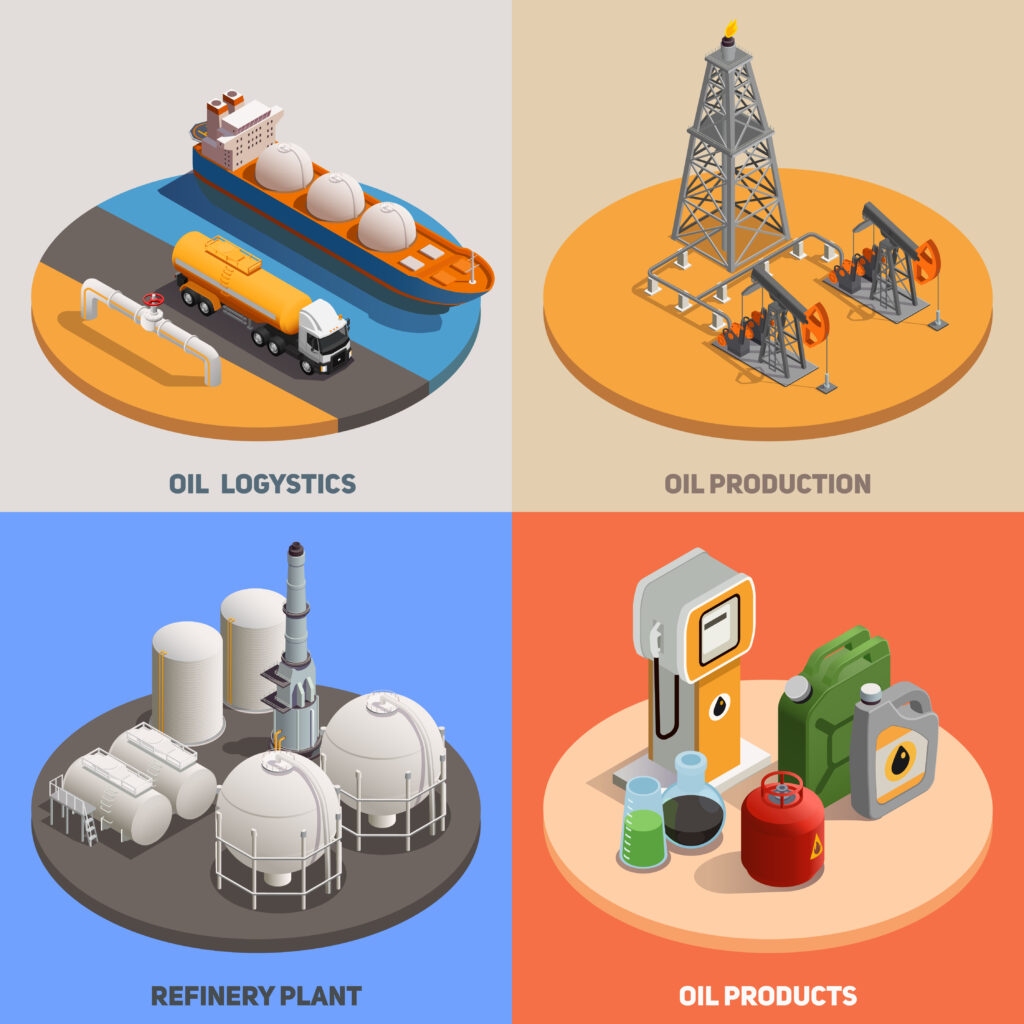
The refining process involves separating crude oil into different fractions through techniques such as distillation, cracking, and other chemical processes. Each fraction is then further processed to produce the desired refined product. Refinery raw materials are, therefore, the starting point for the creation of a wide array of valuable products that are crucial for various industries and daily life.